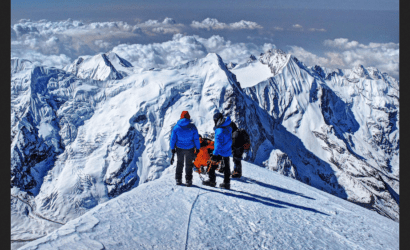
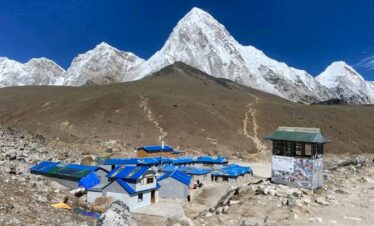
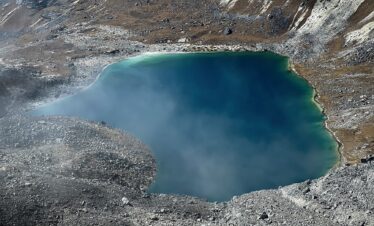
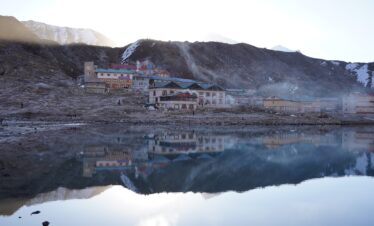
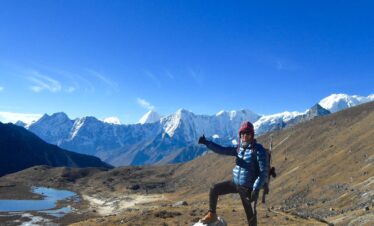
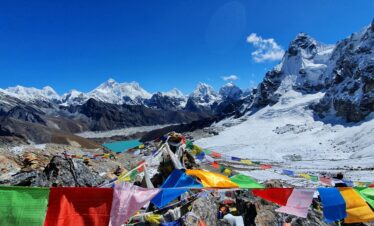
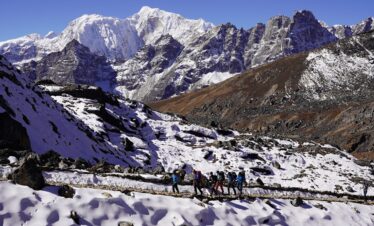
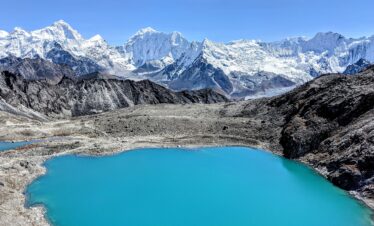
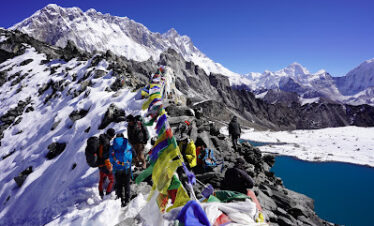
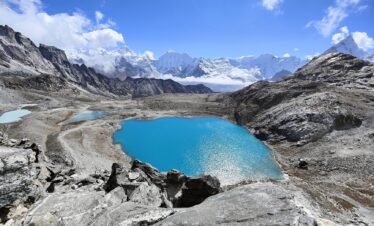
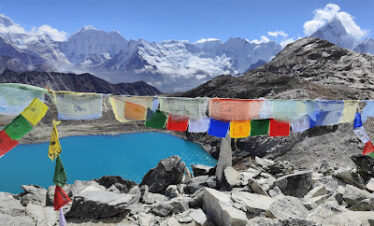
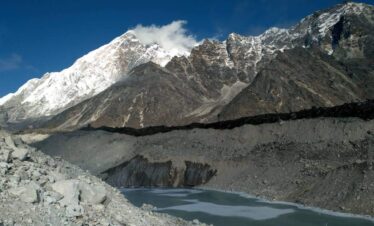
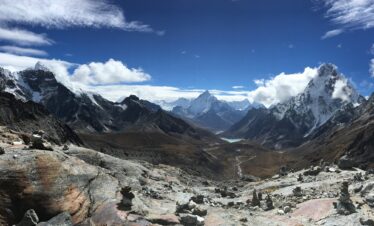
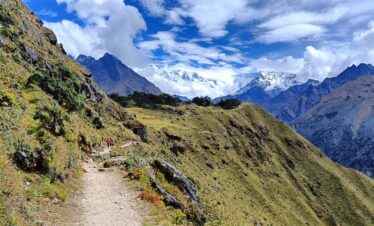
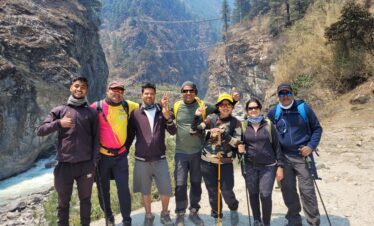
Everest Base Camp Trek is an iconic adventure that guides you to the base of Mount Everest, navigating through the heart of the Himalayas. This trek in the Khumbu region delivers a lifetime of unforgettable experiences, featuring breathtaking landscapes, charming Sherpa villages, and challenging trails.
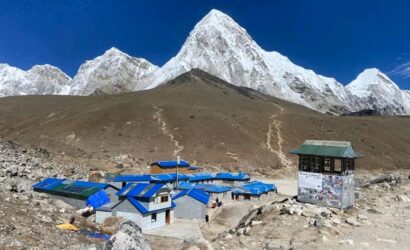
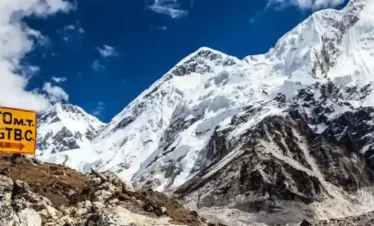
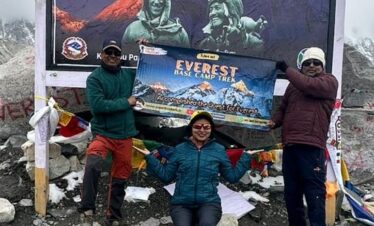
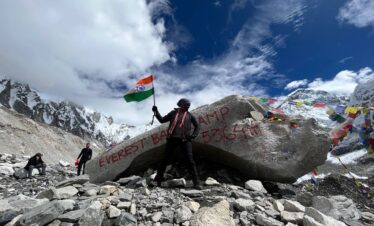
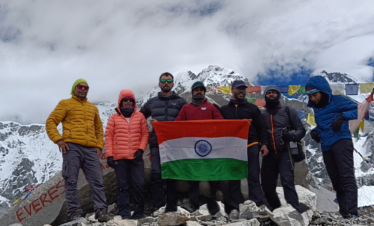
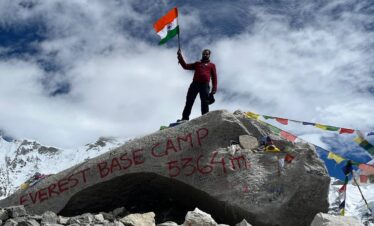
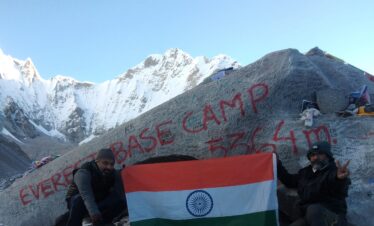
The Everest Base Camp Trek culminates in reaching Everest Base Camp itself. At an elevation of 5,364 meters (17,598 feet), you’ll be awestruck by the towering presence of Mount Everest and its neighboring peaks. This is the gathering point for climbers gearing up for their ascent, and you’ll have the chance to witness their determination and bravery up close.
Super Trekkers delivers an extraordinary adventure to the heart of the Himalayas. As the top trekking agency in Nepal, we offer a journey through breathtaking landscapes, vibrant Sherpa culture, and the majestic presence of Everest.
Our expert guidance and commitment to eco-friendly practices ensure an unforgettable experience that merges thrilling adventure with environmental stewardship. Join us for a trek that celebrates both natural beauty and responsible exploration.
Everest Base Camp Trek Overview
EBC Trek Highlights
Follow in the footsteps of legends. From the thrill of Lukla’s airstrip to standing face-to-face with Mount Everest, experience unparalleled Himalayan scenery and Sherpa culture.
Scenic Flight
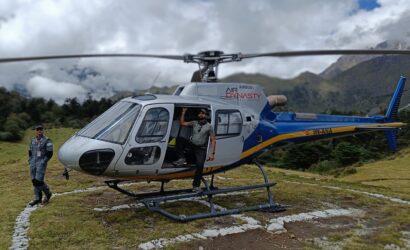
Thrilling flight to Lukla with stunning aerial views of the Himalayas.
Kala Patthar
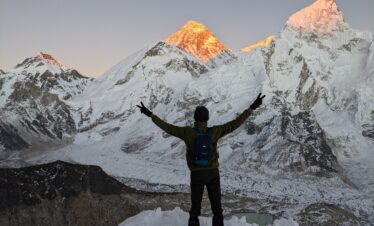
Sunrise view from 5,545m, the best viewpoint for Mt. Everest.
Base Camp
Stand at EBC (5,364m) near the massive Khumbu Glacier.
Tengboche
Visit the iconic Buddhist monastery beneath Ama Dablam.
Sherpa Culture
Explore Namche Bazaar and traditional villages like Dingboche.
Panoramas
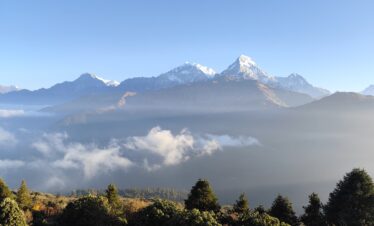
Daily views of Lhotse, Nuptse, Ama Dablam, and Pumori.
Expert Guides
Seasoned local guides ensuring safety and rich cultural insights.
Tea-Houses
Warm hospitality and comfortable stays in mountain lodges.

🌄 Everest Base Camp Trek
Experience the thrill of trekking to the base of the world’s highest peak. Stunning landscapes, rich Sherpa culture, and unforgettable memories await.
- Flights: Kathmandu – Lukla – Kathmandu
- Support: Porter & Guide Services
- Stay: 2 Nights Kathmandu + Tea Houses on Trek
- Permits: Sagarmatha Park & TIMS Card
- Transfers: Private Airport Pickup/Drop
- Dinner: Farewell Dinner in Kathmandu
Note: Meal add-on available for $499 extra.
- All Meals: Breakfast, Lunch & Dinner on Trek
- Flights: Kathmandu – Lukla – Kathmandu
- Support: Porter & Guide Services
- Stay: 2 Nights Kathmandu + Tea Houses on Trek
- Permits: Sagarmatha Park & TIMS Card
- Transfers: Private Airport Pickup/Drop
- Dinner: Farewell Dinner in Kathmandu
- Attached Bathroom: $150 (8 nights upgrade)
- Single Room: $300 (Private room entire trip)
- Extra Stay: $60 (3 Star room)
Schedule a FREE Guidance Call with Super Trekkers today!


Best Time to Trek to Everest Base Camp
Spring (Mar–May)
Stable weather, warmer temperatures and colourful rhododendrons. Busiest season, with the strongest expedition atmosphere at Base Camp.
Autumn (Sep–Nov)
Crisp, clear skies with excellent mountain views. The second most popular season for the EBC trek.
Winter (Dec–Feb)
Very cold, especially at night, but noticeably quieter trails. Some higher lodges may close.
Monsoon (Jun–Aug)
Wet and cloudy with reduced visibility, leeches lower down and frequent flight disruption.
Choose Spring or Autumn
For most trekkers, March to May and September to November offer the best balance of weather, trail conditions, mountain visibility and overall trekking experience.
If your priority is spectacular Himalayan views and a more predictable trekking environment, these seasons are the safest choice for planning your Everest Base Camp adventure.
Everest Base Camp: 14-Day Itinerary
| Day | Activity & Route | Max Altitude | Duration |
|---|---|---|---|
| Day 1 | Arrive in Kathmandu 🛬 | 1,350 m | – |
| Day 2 | Fly to Lukla and trek to Phakding 🛫🏞️ | 2,610 m | 3-4 hrs |
| Day 3 | Trek from Phakding to Namche Bazaar 🚶♂️🏔️ | 3,440 m | 5-6 hrs |
| Day 4 | Acclimatisation and rest day in Namche Bazaar 🛌 | 3,440 m | Rest Day |
| Day 5 | Trek from Namche Bazaar to Tengboche 🚶♂️🏔️ | 3,870 m | 5-6 hrs |
| Day 6 | Trek from Tengboche to Dingboche 🚶♂️🏔️ | 4,410 m | 5-6 hrs |
| Day 7 | Acclimatisation and rest day in Dingboche 🛌 | 4,410 m | Rest Day |
| Day 8 | Trek from Dingboche to Lobuche 🚶♂️🏞️ | 4,940 m | 4-5 hrs |
| Day 9 | Trek to Gorakshep, visit EBC, return to Gorakshep 🏔️🏕️ | 5,364 m | 7-8 hrs |
| Day 10 | Sunrise at Kalapatthar, trek to Pheriche 🌄🏞️ | 5,545 m | 5-6 hrs |
| Day 11 | Trek from Pheriche to Namche Bazaar 🚶♂️🏔️ | 3,440 m | 6-7 hrs |
| Day 12 | Trek from Namche Bazaar to Lukla 🚶♂️🏞️ | 2,860 m | 6-7 hrs |
| Day 13 | Fly back from Lukla to Kathmandu 🛬 | 1,350 m | 35 min Flight |
| Day 14 | Depart from Kathmandu 🛫 | – | – |
* Note: Altitudes and times are approximate. Weather conditions in the Himalayas can affect flight schedules and trekking durations.
Everest Base Camp Trek
Choose the EBC experience that fits you
Three thoughtfully designed package levels — from essential trail support to a fully personalised Himalayan adventure — every departure led by our experienced Everest trekking team.
Level 01
Basic
For independent-minded trekkers who want the essentials handled — permits, flights and a seasoned leader on the trail.
- Essential trek logistics & permits
- Experienced trek leader
- Standard tea-house accommodation
- Small group departure
- Flexible add-on options
Most Popular
Level 02
Standard
Our most popular choice — the right balance of comfort, full support and value from Kathmandu to Base Camp and back.
- Complete end-to-end trek support
- Better available tea houses
- All meals on the trail
- 2 nights Kathmandu hotel
- Airport pickup & drop
Level 03
Luxury
For trekkers who want the mountains without the compromise — premium lodges and dedicated, personalised service.
- Priority premium tea houses
- Best available accommodation
- Attached bathroom where available
- Premium personalised support
- Enhanced, dedicated assistance
Compare what’s included
Swipe to compare
| Inclusions | Basic | Standard | Luxury |
|---|---|---|---|
| The trek essentials | |||
| Everest Base Camp trek | Included | Included | Included |
| Experienced trek leader | Included | Included | Included |
| Trek permits | Included | Included | Included |
| Domestic flight support | Included | Included | Included |
| Comfort on the trail | |||
| Tea-house accommodation | Standard | Better available | Best available |
| Meals on trek | Optional | Included | Included |
| Twin-sharing rooms | Standard | Better available | Included |
| Attached bathroom | Not included | Selected properties | **Included |
| Premium tea houses | Not included | Where available | Priority |
| Kathmandu hotel (2 nights) | Not included | Included | Included |
| Airport pickup & drop | Not included | Included | Included |
| Support & extras | |||
| Backpack offloading | *Included | Included | Included |
| Trekking kit / duffel | Included | Included | Included |
| Pre-trek guidance | Included | Included | Included |
| Level of assistance | Standard | Enhanced | Premium |
Good to know: Attached-bathroom twin-sharing rooms are included in the Luxury package wherever available. Attached bathrooms are generally not possible at Lobuche and Gorak Shep due to limited infrastructure at these high-altitude settlements.
Not sure which level is right for you?
Every trekker moves at a different pace. Tell us your priorities — comfort, budget, timing — and our Everest team will point you to the right package with honest, first-hand advice.
Talk to a Trek ExpertAdventure · Experience · Safety · Expertise · Trust
Ready to trek to Everest Base Camp?
Speak with our Nepal team about upcoming departure dates, custom itineraries and small-group availability. We handle permits, guides, teahouse bookings and Lukla flights end-to-end.
The Everest Base Camp Trek offered by Super Trekkers is your ticket to a life-changing adventure. Over 14 days, you’ll embark on a journey through the heart of the Himalayas, a region known for its awe-inspiring natural beauty and rich cultural heritage. With our experienced guides and dedicated porters, your safety and comfort are our top priorities.
Are You Eligible for the Everest Base Camp Trek?
The Everest Base Camp Trek is achievable for fit and well-prepared trekkers, but it is a high-altitude adventure that requires more than everyday fitness. You should be comfortable walking for several hours a day, handling varied mountain terrain and adapting to changing weather and altitude.
Essential Mountain Skills
You do not need technical mountaineering experience, but having a few basic trekking skills will make your journey safer, more comfortable and enjoyable.
EBC Trek Fitness Benchmark
As a practical fitness benchmark, being able to comfortably complete most of the activities below indicates that you have a useful base for preparing for the Everest Base Camp Trek:
Difficulty & Fitness
EBC is achievable for many active hikers, but it is not a stroll — altitude is the main challenge, not technical terrain. Daily hikes typically run 5–7 hours on established trails.
How to prepare
- 6–10 weeks of consistent cardio — hiking, running, cycling, stair climbs.
- Strength work (legs and core) twice a week.
- Practice hikes carrying a daypack (5–8 kg).
- Break in your trekking boots well before departure.
EBC Trek Packing List — Things to Carry
Layering is the golden rule of the Khumbu — temperatures swing from t-shirt warmth at midday to well below freezing at night. Pack light, but never compromise on warmth or footwear.
Apparel
- Thermal inners — at least 1 pair of top and leggings
- 6–8 t-shirts or long-sleeve shirts (cotton / dry-fit)
- 2–3 pairs of trekking pants (no denim!)
- 1 sweater or sweatshirt
- 1 fleece jacket & 1 down jacket
- 1 waterproof layer — raincoat or wind-cheater
- 1 pair of broken-in hiking boots
- 8–9 pairs of cotton socks & 2 pairs of thick woollen socks
- Gloves (liner and outer), Sun hat, Woollen cap, and Buff
Accessories
- Duffel bag for off-loading — max 12 kg (porter and flight limit)
- Daypack / backpack (20–30 L capacity)
- Sleeping bag (rated to -15°C, can be rented in Kathmandu)
- 2 × 1 L bottles for drinking water
- Headlamp + extra batteries
- Trekking poles
- Sunblock (SPF 50+), Sunglasses (UV400), Moisturiser, Hand sanitiser
- Personal medical kit, toiletries, and toilet paper
- Trail snacks and a high-capacity Power bank
Safety, Insurance & Responsible Travel
- Take travel insurance covering high-altitude trekking to at least 6,000 m and helicopter evacuation.
- Share your itinerary and emergency contacts before departure.
- Keep at least one rest-day buffer to reduce pressure to push on when unwell.
Responsible travel & local culture
- Dress respectfully in villages and monasteries.
- Ask before photographing people, especially monks and porters.
- Support local businesses and fair porter practices (appropriate loads and equipment).
- Pack out batteries and non-biodegradable waste.
Everest Base Camp Trek — Frequently Asked Questions
How long does it take to complete the Everest Base Camp Trek?
The standard Everest Base Camp Trek duration is 12 to 14 days, which includes acclimatization days, the ascent to Base Camp (5,364m), and the descent to Lukla. Shorter 10-day or extended 16-18 day itineraries (often including Gokyo Lakes) are also available depending on your fitness and schedule.
What is the altitude of Everest Base Camp?
Everest Base Camp is located at an altitude of 5,364 meters (17,598 feet). However, the highest point most trekkers reach is Kala Patthar at 5,545 meters (18,192 feet), which offers the most spectacular, unobstructed sunrise views of Mount Everest.
Do I need a guide for the Everest Base Camp Trek?
Yes. As of April 1, 2023, the Nepalese government mandates that all trekkers in the Everest region must be accompanied by a licensed guide. Independent or solo trekking without a guide is no longer permitted. This rule ensures trekkers’ safety, supports the local economy, and helps manage altitude risks.
What is the best time for the Everest Base Camp Trek?
The best time to trek is during pre-monsoon spring (March to May) and post-monsoon autumn (September to November). These seasons offer stable weather, clear skies, moderate temperatures, and the best visibility of the Himalayan peaks. Spring features blooming rhododendrons, while autumn provides crisp, fresh air.
How difficult is the EBC Trek for beginners?
The trek is considered moderate to challenging. While it requires no technical climbing skills, the high altitude and long walking days (5-7 hours) make it physically demanding. Beginners can successfully complete it with 2-3 months of prior cardiovascular and strength training, a well-paced itinerary with acclimatization days, and a positive mindset.
What permits are required for the EBC Trek?
You need two mandatory permits: the Sagarmatha National Park Entry Permit and the Khumbu Pasang Lhamu Rural Municipality Permit. (Note: The TIMS card is no longer required for the Khumbu region). Registered trekking agencies in Kathmandu or Lukla can easily arrange these for you.
How much does the Everest Base Camp Trek cost?
The average EBC trek cost ranges from $1,200 to $2,500+ per person, depending on the level of service, group size, and inclusions (like meals and luxury lodges). A daily budget of $25 to $40 is recommended for extra snacks, hot showers, Wi-Fi, and tips, excluding your main package cost.
What are the risks of altitude sickness on the EBC Trek?
Acute Mountain Sickness (AMS) is the most significant risk. Symptoms include headache, nausea, and dizziness. To prevent AMS, follow the golden rule: “climb high, sleep low,” stay highly hydrated, avoid alcohol, and ascend gradually. Our itineraries include built-in acclimatization days in Namche Bazaar and Dingboche to minimize this risk.
What type of travel insurance is required?
Comprehensive travel insurance is mandatory. Your policy must explicitly cover high-altitude trekking up to 6,000 meters (19,685 feet), emergency medical expenses, and helicopter evacuation. Standard travel insurance often excludes high-altitude activities, so verify your policy details carefully.
What food options are available in teahouses?
Teahouses offer a surprisingly diverse menu. The most recommended and safest meal is Dal Bhat (rice, lentil soup, and vegetables), as it provides excellent carbohydrates and is often refillable. Other options include pasta, noodles (Thukpa), Tibetan bread, and soups. Vegetarian options are plentiful and generally safer to avoid stomach issues.
Can I trek to Everest Base Camp without a porter?
While you must have a guide, you can choose to carry your own main luggage without a porter. However, this significantly increases physical fatigue at high altitudes. Most trekkers hire a porter to carry up to 15-20 kg of gear, allowing them to hike with a light daypack (water, jacket, camera), which greatly enhances the enjoyment and safety of the trek.
Is the EBC Trek safe for solo female travelers?
Yes, it is very safe, especially with the new mandatory guide rule. The Everest region is highly frequented by international trekkers, and the local Sherpa community is known for its hospitality and respect. Teahouses are communal and secure. Always stay on marked trails and avoid walking alone after dark.
What happens in a medical emergency on the trek?
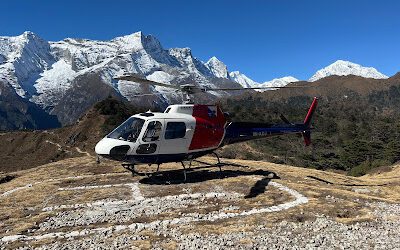
In the event of severe altitude sickness or injury, your guide is trained to provide immediate first aid and arrange a helicopter evacuation to Kathmandu or lower-altitude medical facilities. Basic health posts with oxygen and hyperbaric bags (Gamow bags) are available in Namche Bazaar, Pheriche, and Dingboche for initial treatment.
What are the visa requirements for Nepal?
Most nationalities can obtain a Visa on Arrival at Tribhuvan International Airport in Kathmandu. You need a passport valid for at least 6 months, passport-sized photos, and the fee (e.g., $50 for 30 days). Note: Indian citizens do not require a visa to enter Nepal, but must carry valid government-issued photo ID (like a Voter ID or Passport).
Is there luxury accommodation on the EBC Trek?
Yes. While standard teahouses are basic, luxury EBC trek packages are available. These include stays in the best available lodges (some with attached bathrooms and heating), gourmet meals, and even the option for a helicopter return from Gorak Shep to skip the long descent and add a touch of luxury to your adventure.
Is it safe to trek during the monsoon (June to August)?
Trekking during the monsoon is generally not recommended. Trails become muddy, leech-infested, and prone to landslides. Furthermore, cloud cover usually obscures mountain views, and flights to Lukla face frequent delays or cancellations due to poor visibility.
Is Annapurna Base Camp the same as Everest Base Camp?
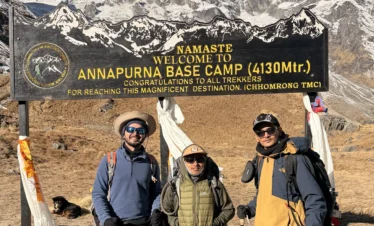
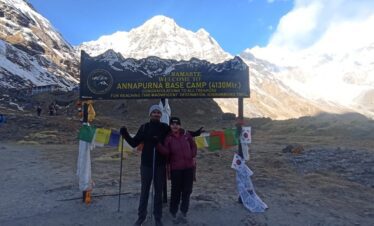
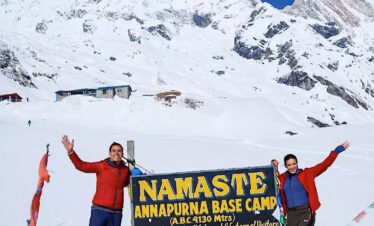
No, they are entirely separate trekking routes in different regions of Nepal. ABC lies within the Annapurna Conservation Area in western Nepal, reaching an altitude of 4,130 meters (13,550 feet). EBC is located further east in the Solukhumbu district within the Sagarmatha National Park, scaling a much higher maximum elevation of 5,364 meters (17,598 feet) at the base camp itself.
How fit do you have to be for the Everest Base Camp trek?
The Everest Base Camp trek is physically demanding and requires a high level of cardiovascular endurance, stamina, and mental resilience, rather than technical mountaineering skills. Because you will be walking for 5 to 8 hours daily across rocky terrain over 12 to 14 days—often in thin air—preparation is essential. As an experienced adventure travel lead, I recommend starting a targeted cardio and strength conditioning regimen (such as incline treadmill walking, stair climbing, and weighted rucking packs) at least 3 to 4 months prior to departure to safely manage the ascent and prevent altitude-related fatigue.
How should I prepare physically and logistically for the Everest Base Camp trek?
Preparation involves a combination of physical conditioning, medical readiness, and proper gear selection. Focus your training on building aerobic capacity and leg strength. Logistically, ensure you factor in adequate acclimatization days built into your itinerary to prevent Acute Mountain Sickness (AMS). Pack layered moisture-wicking clothing, a high-quality down jacket, broken-in waterproof trekking boots, and a reliable four-season sleeping bag. Securing comprehensive travel insurance that explicitly covers high-altitude trekking above 5,000 meters and emergency helicopter evacuation is also mandatory.
What is the maximum altitude on the Everest Base Camp trek?
The highest altitude reached on the standard trekking route is Kala Patthar at 5,644 meters (18,519 feet)—a popular viewpoint for sunrise over Everest—while Everest Base Camp itself sits at 5,364 meters (17,598 feet).
What is the best time of year to trek Everest Base Camp?
The peak seasons for EBC are the pre-monsoon spring months (March to May) and the post-monsoon autumn months (September to November). These windows offer the most stable weather, clear blue skies, and optimal visibility of the world’s highest peaks, though autumn brings crisper air and spring showcases blooming Himalayan flora.
Trip Info
-
12
-
65
-
1 - 12
Overview
Everest Base Camp Trek 14 Days is an iconic adventure that guides you to the base of Mount Everest, navigating through the heart of the Himalayas. This trek in the Khumbu region delivers a lifetime of unforgettable experiences, featuring breathtaking landscapes, charming Sherpa villages, and challenging trails.
The Everest Base Camp Trek culminates in reaching Everest Base Camp itself. At an elevation of 5,364 meters (17,598 feet), you’ll be awestruck by the towering presence of Mount Everest and its neighboring peaks. This is the gathering point for climbers gearing up for their ascent, and you’ll have the chance to witness their determination and bravery up close.
Super Trekkers delivers an extraordinary adventure to the heart of the Himalayas. As the top trekking agency in Nepal, we offer a journey through breathtaking landscapes, vibrant Sherpa culture, and the majestic presence of Everest.
Our expert guidance and commitment to eco-friendly practices ensure an unforgettable experience that merges thrilling adventure with environmental stewardship. Join us for a trek that celebrates both natural beauty and responsible exploration.
Highlights of Everest Base Camp Trek
- Experience the thrill of flying over the majestic Himalayas to the small airstrip of Lukla, offering stunning views of the peaks below.
- Namche Bazaar: Explore the heart of the Khumbu region, a bustling market town that serves as a hub for trekkers and climbers.
- Glimpses of peaks like Lhotse, Nuptse, Ama Dablam, Lobuche, and whatnot.
- Kala Patthar: Hike to this popular viewpoint for an unparalleled sunrise view of Mount Everest and the surrounding peaks.
- Travel through the Sherpa villages of Namche, Khumjung, Khunde, and Dingboche
- Tengboche Monastery: Visit one of the most important Buddhist monasteries in Nepal, set against the backdrop of Mount Ama Dablam.
- Experienced Guides: Benefit from the expertise of our seasoned guides who ensure your safety and enrich your trekking experience with their knowledge.