

The Everest Base Camp Trek (EBC Trek) is one of the world’s most iconic trekking routes, leading adventurers through the heart of Nepal’s Khumbu Valley to the base of Mount Everest (8,848m). This 12–14 day journey is not just about reaching the base camp at 5,364 m (17,598 ft), reaching the base of Mount Everest is a once-in-a-lifetime achievement for trekkers worldwide. it’s a cultural and natural odyssey through Sherpa villages, ancient monasteries, and some of the most dramatic landscapes on Earth. The trek is a bucket-list experience for trekkers of all levels, offering a mix of challenge, beauty, and personal achievement.
This trek combines breathtaking landscapes, high-altitude adventure, and Sherpa culture, making it one of the most iconic trekking experiences on Earth. Whether you’re from India or abroad, the EBC Trek offers an unforgettable mix of challenge and discovery. From the thrilling Lukla flight, to vibrant Namche Bazaar, the spiritual Tengboche Monastery, and the final push to Kala Patthar for the best Everest sunrise—this trek is unmatched in beauty and emotion.
👉 Book your Everest Base Camp Trek with Super Trekkers today and begin your Himalayan story!
Quick Facts – Everest Base Camp Trek
| Detail | Information |
|---|---|
| Altitude | 5,364 m (17,598 ft) |
| Duration | 12–14 days |
| Difficulty | Moderate to Challenging |
| Region | Khumbu (Everest Region), Nepal |
| Best Seasons | Spring (Mar–May), Autumn (Sep–Nov) |
| Starting Point | Lukla (2,860 m) |
| Max Viewpoint | Kala Patthar (5,545 m) |
| Highlights | Everest views, Sherpa culture, monasteries, Khumbu Glacier, suspension bridges |

🌄 Everest Base Camp Trek: Epic Himalayan Adventure 🌄
Embark on a journey like no other with Super Trekkers! Experience the thrill of trekking to the base of the world’s highest peak, Mt. Everest. From stunning landscapes to rich cultural experiences, this trek offers everything an adventure seeker could dream of.
-
Round-Trip Flights: Kathmandu – Lukla – Kathmandu
-
Porter and Guide Services
-
Accommodation in Kathmandu (2 nights, with breakfast) and during the trek (Tea Houses/Lodges)
-
Permits and TIMS Card
-
Airport Transfers (Private Vehicle)
-
Farewell Dinner in Kathmandu
-
3 Meals a Day during Trek
-
Round-Trip Flights: Kathmandu – Lukla – Kathmandu
-
Porter and Guide Services
-
Accommodation in Kathmandu (2 nights, with breakfast) and during the trek (Tea Houses/Lodges)
-
Permits and TIMS Card
-
Airport Transfers (Private Vehicle)
-
Farewell Dinner in Kathmandu
-
Upgraded Accommodation ($150) – 8 nights with attached bathrooms during your trek.
-
Single Room Supplement ($300) – Single room for 11 nights (9 in mountains, except Lobuche & Gorakshep, + 2 in Kathmandu).
Schedule a FREE Guidance Call with Super Trekkers today!

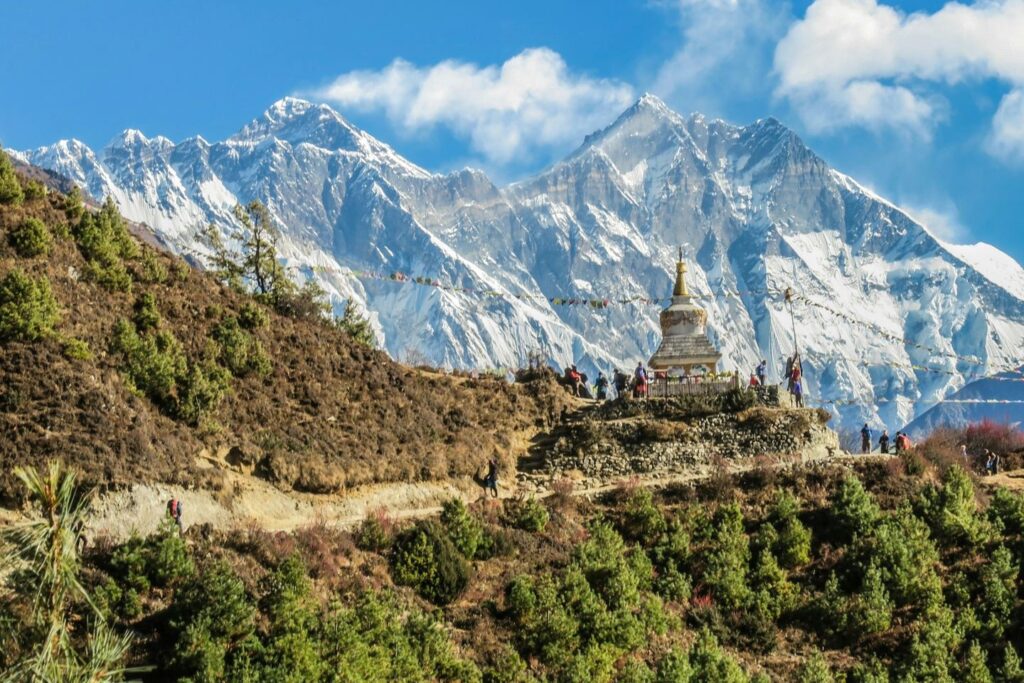
Why Choose the Everest Base Camp Trek?
The EBC Trek is one of those rare adventures that goes beyond physical challenge—it transforms you. Here’s why thousands of trekkers dream of this Himalayan journey:
- Stand at the Base of Everest: Few experiences compare to standing at the foot of the highest peak on Earth.
- Sherpa Culture & Hospitality: From the warmth of tea houses to the prayer flags and spinning wheels, the spiritual essence of the Sherpa people makes the journey unforgettable.
- World’s Best Mountain Views: Ama Dablam, Lhotse, Nuptse, Pumori, and Everest—towering peaks surround you every step.
- Photography Heaven: Capture starry skies, dramatic sunsets, and the legendary sunrise over Everest from Kala Patthar.
- Personal Achievement: Completing this trek is a badge of honor, a story you’ll share for a lifetime.
💡 Insider Tip from Super Trekkers: If you want fewer crowds and clearer trails, try trekking in late November—cold, but magical.
Key Attractions and Highlights of the Everest Base Camp Trek
Lukla Airport: The Gateway to Everest
Everest Base Camp Trek is not complete without mentioning Tenzing-Hillary Airport in Lukla—often called the “most dangerous airport in the world.” This small, cliffside airstrip is the starting point for almost all EBC treks, and its dramatic setting and challenging landings make it an adventure in itself.
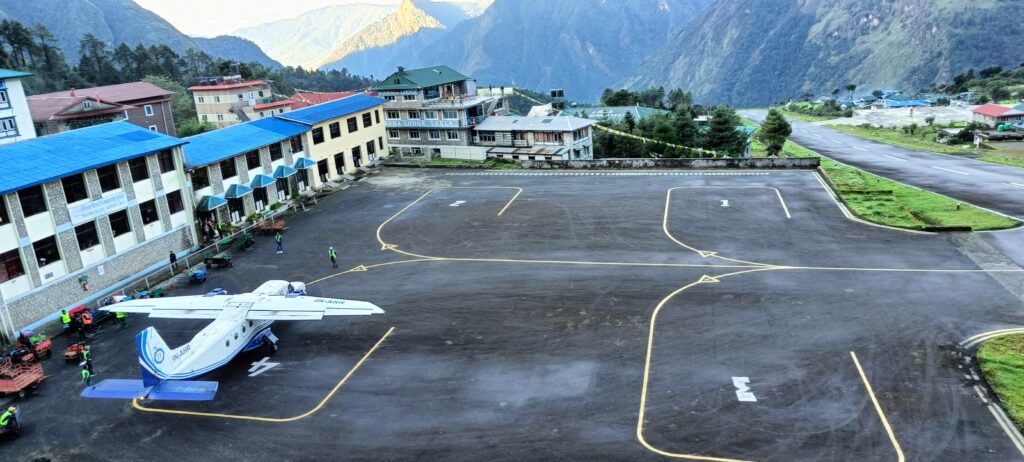
Everest Base Camp Trek is not complete without mentioning Tenzing-Hillary Airport in Lukla—often called the “most dangerous airport in the world.” This small, cliffside airstrip is the starting point for almost all EBC treks, and its dramatic setting and challenging landings make it an adventure in itself.
Namche Bazaar: The Heart of the Khumbu Region
Namche Bazaar, nestled at 3,440 meters, is the bustling hub of the Khumbu region and a critical acclimatization stop. This lively Sherpa town is a blend of traditional charm and modern convenience, offering everything from cozy teahouses to internet cafes.
Tengboche Monastery: A Spiritual Retreat
At 3,860 meters, Tengboche Monastery is the largest and most significant Buddhist monastery in the Khumbu region. It offers a serene atmosphere and one of the most iconic views of Ama Dablam.
Kala Patthar: The Ultimate Viewpoint
Kala Patthar, standing at 5,545 meters, is the highest point on the trek and offers the best sunrise views of Mount Everest. The 360-degree panorama includes Everest, Lhotse, Nuptse, and Pumori, making it a photographer’s paradise.
Everest Base Camp: Standing Where Legends Begin
Reaching Everest Base Camp (5,364m) is the emotional high point of the trek. Here, you’ll stand where expeditions prepare for their summit attempts, surrounded by the Khumbu Icefall and glacier.
Khumbu Glacier and Icefall: A Surreal Landscape
The Khumbu Glacier is one of the trek’s most dramatic features, with its icy blue seracs and towering icefall. This is where climbers begin their ascent of Everest.
Sagarmatha National Park: A UNESCO World Heritage Site
This protected area is home to rare wildlife, including the Himalayan tahr, snow leopard, and red panda, as well as diverse flora like rhododendrons and juniper forests.
Sherpa Villages: Cultural Immersion
The trek passes through traditional Sherpa villages like Pangboche, Dingboche, and Lobuche, where you can experience the warmth and hospitality of the local people.
Suspension Bridges: Thrilling Crossings
The trek features some of the highest and most dramatic suspension bridges in the world, including the Hillary Bridge near Namche Bazaar.
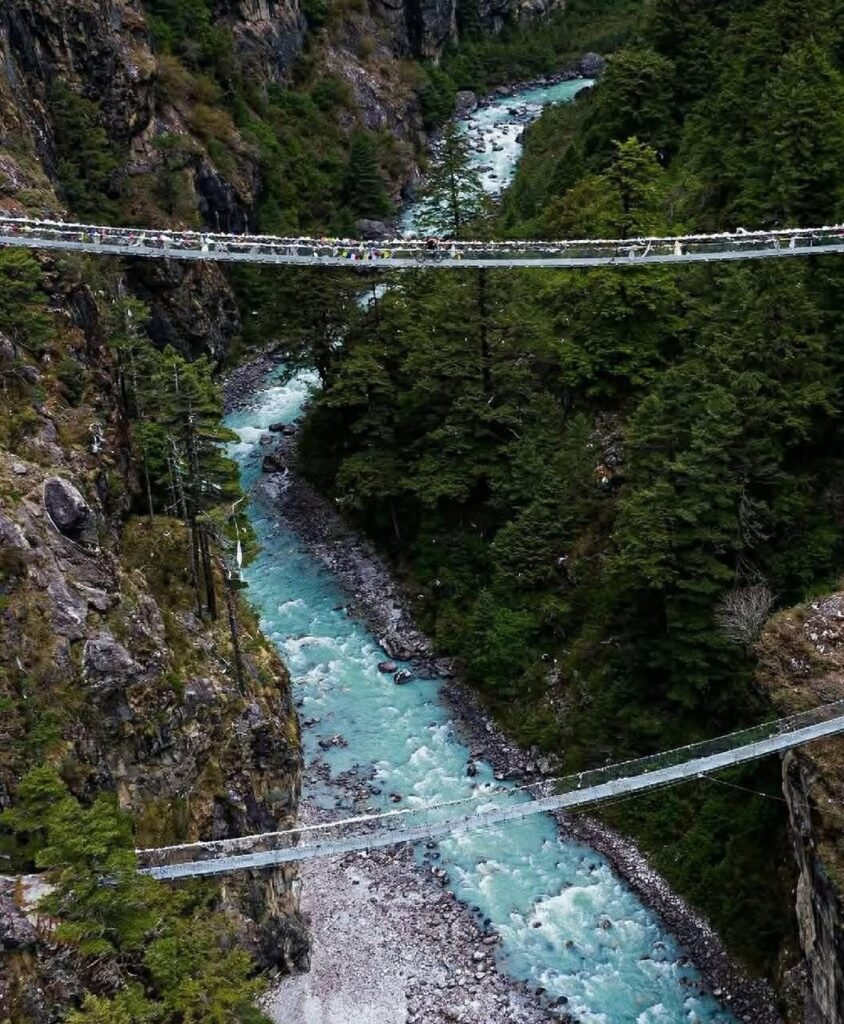
Top Highlights of the Everest Base Camp Trek
How to reach Kathmandu
To reach the starting point of your Everest Base Camp adventure, you will fly into Tribhuvan International Airport (KTM) in Kathmandu. While there are no direct flights from the US, UK, or Australia, Nepal is exceptionally well-connected through major global transit hubs.
✈️ Major Airline Connectivity
| Airline | Primary Hub | Best For Trekkers From… |
| Qatar Airways | Doha (DOH) | USA, UK, Europe, and Africa. Known for the best connectivity and short layovers. |
| Turkish Airlines | Istanbul (IST) | UK, Europe, and North America. Offers the most extensive European network and a “Stopover Istanbul” option. |
| Emirates / Flydubai | Dubai (DXB) | Global travelers. Fly Emirates to Dubai and connect seamlessly to Kathmandu via their partner, Flydubai. |
| Singapore Airlines | Singapore (SIN) | Australia, New Zealand, and SE Asia. Highly rated for comfort on long-haul flights. |
Best Time to Visit & Trekking Seasons
Choosing the right time for your EBC Trek is crucial for a successful and enjoyable experience.
- Autumn (September to November): The most popular season. The air is clean post-monsoon, offering stunningly clear mountain views. Daytime temperatures are pleasant, though nights can be very cold at higher altitudes.
- Spring (March to May): A beautiful time to trek, as the rhododendron forests are in full bloom. This season also offers the opportunity to see climbers preparing for their Everest summit attempts at Base Camp.
| Jan-Feb | Very Cold, clear skies | Ideal for solitude seekers |
| Mar-May | Moderate temps, blooming flora | Peak climbing season |
| June-Aug | Monsoon season, cloudy | Not recommended due to rain |
| Sept-Nov | Pleasant temperatures, clear skies | Most popular, perfect views |
| Dec | Cold, clear skies | Less crowded, quiet adventure |
Nepal Visa: Most nationalities can get a Visa on Arrival at Kathmandu airport. To save time, fill out the online pre-arrival form 15 days before your trip.
Estimated Cost for the EBC Trek
The cost of the trek can vary widely depending on the type of trip (independent vs. guided), and your personal spending habits.
| International Flights | Varies widely |
| Nepal Visa | Approx. $50 for 30 days (on arrival) |
| Lukla Flights (Round-trip) | Approx. $380 – $450 |
| Permits | Approx. $50 (for both) |
| Guide/Porter Fees | Approx. $25-$35/day (guide), $20-$25/day (porter) |
| Accommodation | Approx. $5-$15/night (basic teahouse) |
| Food & Drinks | Approx. $30-$50/day |
| Gear & Equipment | Varies widely, can be rented in Kathmandu |
| Contingency/Tips | $200-$400 |
Permits & Regulations
For any trekker, understanding the permit situation is crucial. You’ll need two main permits for the EBC Trek:
Sagarmatha National Park Entry Permit: This permit is for entry into the national park, a UNESCO World Heritage site. You can get this at the Nepal Tourism Board office in Kathmandu or at the park entrance in Monjo.
Khumbu Pasang Lhamu Rural Municipality Entry Permit: This is a local government fee and replaces the old TIMS card. It can only be obtained in Lukla or Monjo.
Permits
- Sagarmatha National Park Entry Permit – NPR 3,000 (≈$30)
- Khumbu Pasang Lhamu Rural Municipality Permit – NPR 2,000 (≈$20)
- TIMS Card – NPR 2,000 (≈$20, optional depending on regulations)
Visa : Nepal Tourist Visa: Available on arrival at Kathmandu Airport or online. Cost: $30–$50 USD for 15–30 days.
Note for Indian Nationals: Indians do not require a visa for Nepal. However, you will need to carry a valid passport or an election card with a photo. The permit fees are different for SAARC nationals.
👉 Super Trekkers arranges all permits hassle-free. Carry copies of your passport and keep permits handy at checkpoints.
Accommodation and Food in Everest Base Camp Trails
Accommodation
- Teahouses: Basic lodges with shared rooms (twin beds) and communal bathrooms. Blankets are provided, but bring a sleeping bag for warmth.
- Facilities: Most teahouses have solar-powered charging (for a fee) and Wi-Fi (slow and expensive).
- Cost: $5–$15 per night, depending on the season and altitudebikatadventures.com+1.
Food
- Staple Dish: Dal bhat (unlimited refills!)—a hearty mix of rice, lentils, and vegetables.
- Other Options: Noodle soups, fried rice, momo (dumplings), and pancakes.
- Drinks: Tea, coffee, and hot lemon are popular. Avoid alcohol and caffeine at high altitudes.
- Water: Use purification tablets or a SteriPen to treat water. Avoid bottled water to reduce plastic waste
Guided vs Solo Trekking
| Aspect | Guided Trek | Solo Trek |
|---|---|---|
| Safety | High (guide monitors health, navigation) | Lower (risk of getting lost or sick) |
| Cost | Higher (but includes permits, food, lodging) | Lower (but more logistical work) |
| Flexibility | Less (fixed itinerary) | More (choose your own pace) |
| Experience | More informative (guides share local knowledge) | More independent and adventurous |
Verdict: Guided treks are ideal for first-timers or those prioritizing safety and convenience. Solo trekking is suitable for experienced trekkers who prefer flexibility
Here’s a detailed expansion of your Everest Base Camp Trek article, covering all the requested sections with actionable advice, up-to-date information, and a focus on both practicality and inspiration:
Travel to and from Lukla/Kathmandu
Getting to Lukla
- Flight: The most common option—a 35-minute scenic flight from Kathmandu. Flights are weather-dependent and often delayed.
- Alternative: Trek from Jiri (7–10 days) or Salleri (4–5 days) if flights are canceled.
Returning to Kathmandu
- Flight: Book a morning flight to avoid afternoon clouds.
- Helicopter: Faster but expensive (~$500–$800 USD).
- Trek Back: Some trekkers choose to walk back to Jiri or Salleri for a longer adventure
Ready to Trek?
The Everest Base Camp Trek is a life-changing adventure that combines physical challenge with unparalleled natural beauty. Whether you choose to go guided or solo, proper preparation and a positive attitude will ensure an unforgettable experience.
Book your trek with Super Trekkers for a hassle-free, expert-led journey to the roof of the world!
FAQs – Everest Base Camp Trek
We’ve covered the most important details, but here are some frequently asked questions to help you finalize your plans.
Q: How long is the EBC Trek?
The most common EBC trek itinerary is 12-16 days from Kathmandu to Kathmandu. This includes the round-trip flights and crucial acclimatization days. The trekking days themselves typically involve 5-7 hours of walking.
Q What is the Everest Base Camp Trek cost?
The Everest Base Camp Trek cost can range from $800 to over $5,000 USD, depending on the type of package and your personal spending. Here is a breakdown:
- Budget Trek: ~$900 – $1,200. This is for independent trekkers or very basic packages where you pay for meals and lodging on your own.
- Standard Package: ~$1,200 – $2,500. This is the most popular option and typically includes all permits, guides, porters, accommodation, and meals.
- Luxury Everest Base Camp Trek: ~$2,500 – $5,000+. These packages offer higher-end lodges with better amenities, private rooms, and sometimes include a helicopter return.
Q. What is the EBC trek distance?
The total round-trip trekking distance from Lukla to Everest Base Camp and back is approximately 130 km (80 miles). The daily trekking distance varies from 8 km to 19 km, as shown in our itinerary, with slower walking paces due to the high altitude.
Q. What about a solo EBC trek?
Trekking the EBC route solo is possible but comes with significant risks. Nepal’s government previously mandated guides, and while this has been a bit ambiguous, it is strongly recommended for your safety. A guide provides crucial support in case of emergencies, altitude sickness, or navigation challenges. A solo EBC trek is best suited for experienced trekkers who are confident in their abilities and have a strong plan.
Q. What is the EBC trek route like?
The classic EBC trek route follows the Dudh Koshi river valley, passing through lush forests and traditional Sherpa villages. The trail ascends gradually, crossing numerous suspension bridges before reaching the high-altitude, rocky terrain of the Khumbu Glacier. The route is well-defined and well-trafficked, making it relatively easy to follow.
Q. What are the different Everest Base Camp Trek packages?
There are a wide variety of Everest Base Camp Trek packages to suit every style and budget. You can choose from standard guided treks, shorter itineraries with a helicopter return, longer treks that include the Gokyo Lakes, or a luxury Everest Base Camp trek with comfortable lodges. Our packages at Travel Monster are designed to provide a safe, memorable, and hassle-free experience.
Q. Mobile Networks & Wi-Fi on the EBC Trek
Q. How do I get from Kathmandu to Lukla?
The most common way to start your trek is a scenic 30-minute flight from Kathmandu to Lukla. This is a short but thrilling flight to one of the world’s most famous airports. Flights are subject to weather, so it’s essential to have buffer days in your itinerary. During peak seasons, flights may be diverted from a nearby airport in Ramechhap, requiring a 4-5 hour drive from Kathmandu.
Q. What can I expect in a teahouse on the EBC Trek?
Teahouses are a simple but essential part of the trek experience. You can expect:
- Basic rooms: Small twin-sharing rooms with two single beds, a mattress, and a pillow. Walls are thin, so earplugs are a good idea.
- Communal Dining: This is the heart of the teahouse, where trekkers gather around a central stove to eat, share stories, and stay warm.
- Food: The menu is often extensive, but the staple is Dal Bhat (lentil soup with rice), which is a fantastic source of energy and often comes with unlimited refills.
- Limited Amenities: Hot showers are often available for a fee, but may not be reliably hot, especially at higher altitudes. Wi-Fi and charging points are also available for a fee, and can be unreliable.
Q. Is there an Everest Base Camp Trek map I can use?
Your guide will have a detailed Everest Base Camp Trek map, and the trail is well-marked. However, having a digital or physical map can be helpful for personal reference.
Q: How do I prevent altitude sickness on the EBC trek?
To prevent altitude sickness (AMS) on the Everest Base Camp trek, follow these five essential rules:
- Ascend Slowly (“Bistari”): Keep a slow, steady pace even if you feel energetic. Never rush.
- Hydrate Aggressively: Drink 4–5 liters of water daily. Dehydration is a primary trigger for altitude symptoms.
- Take Acclimatization Days: Never skip rest days. Super Trekkers builds in two mandatory stops at Namche Bazaar and Dingboche to let your body adjust.
- Eat Garlic Soup: A local Himalayan remedy that helps improve blood circulation and oxygen intake.
- Avoid “The Three S’s”: Avoid Smoking, Spirits (alcohol), and Sleeping pills, as they suppress breathing and mask AMS symptoms.
Pro Tip: If you have a persistent headache or nausea, do not climb higher. Tell your Super Trekkers guide immediately; they carry oximeters to monitor your oxygen levels.
Beyond EBC: Related Himalayan Treks to Inspire Your Next Adventure
- Annapurna Circuit (Nepal): A classic diverse trek circling the Annapurna Massif, crossing the Thorong La pass (5,416m). Longer than EBC, incredible variety.
- Gokyo Lakes & Renjo La Pass (Nepal): A stunning alternative or extension to EBC. Turquoise glacial lakes, crossing high passes (Renjo La, Cho La) for breathtaking views, less crowded.
- Three Passes Trek (Nepal): The ultimate Khumbu challenge. Links Kongma La, Cho La, and Renjo La passes, circling Everest. Very demanding, for experienced trekkers.
- Langtang Valley Trek (Nepal): Closer to Kathmandu, offering beautiful valleys, Tamang culture, and views of Langtang Lirung. Shorter and less crowded.
- Valley of Flowers (Uttarakhand, India): A high-altitude Himalayan meadow bursting with endemic flowers during the monsoon (July-Aug). Combined with Hemkund Sahib.
- Markha Valley Trek (Ladakh, India): High-altitude desert trekking in the Indian Himalayas, crossing the Gongmaru La pass (5,130m), visiting monasteries, unique landscapes.
- Kashmir Great Lakes (Jammu & Kashmir, India): A high-altitude alpine trek traversing meadows dotted with stunning glacial lakes in the Pir Panjal range.


