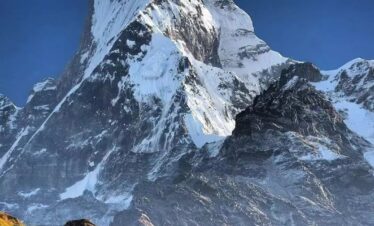
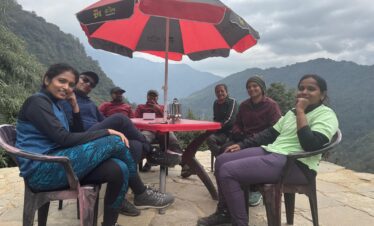
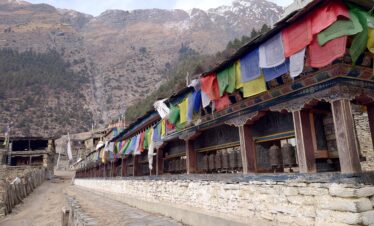
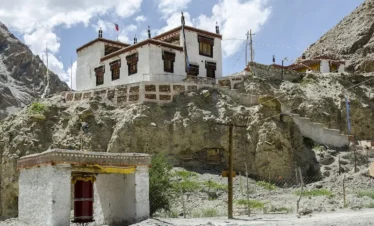
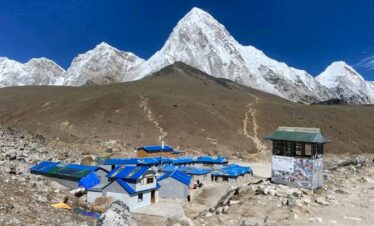
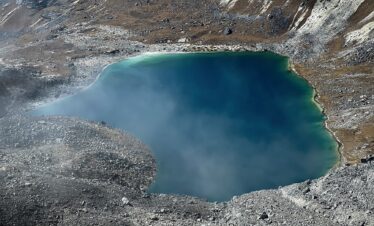
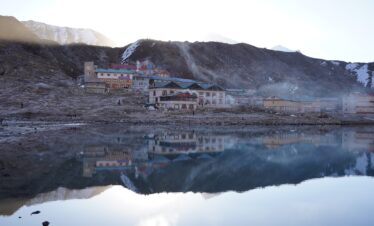
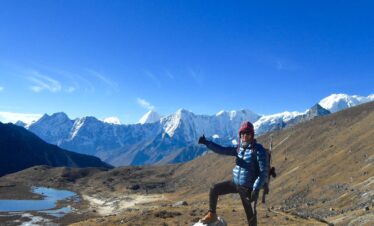
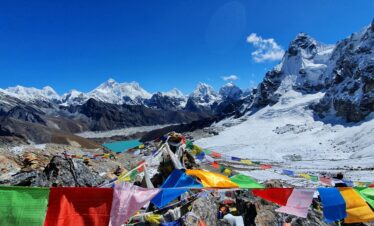
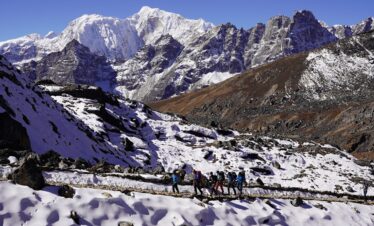
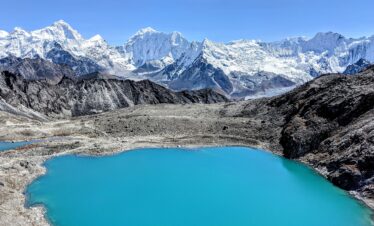
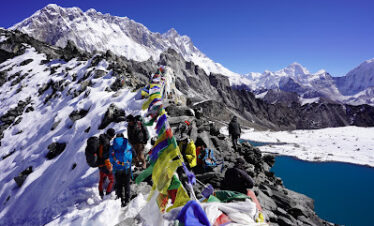
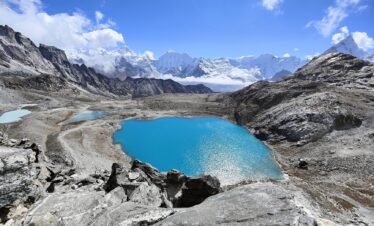
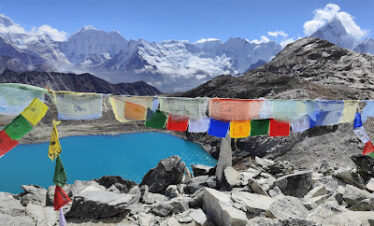
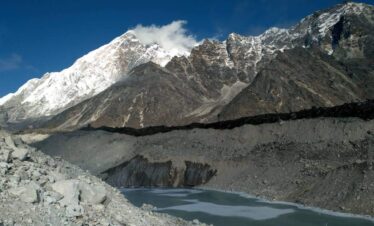
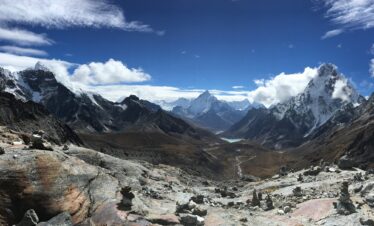
The Everest Base Camp Trek (12 Days) is your gateway to the heart of the Himalayas. This challenging yet rewarding journey brings you face-to-face with Mount Everest (8,848m), the world’s tallest peak, and takes you through the vibrant Sherpa settlements of the Khumbu region. Along the way, you’ll experience awe-inspiring panoramas, visit historic monasteries, and immerse yourself in a unique mountain culture that has captivated adventurers for decades.
EBC Trek – Highlights
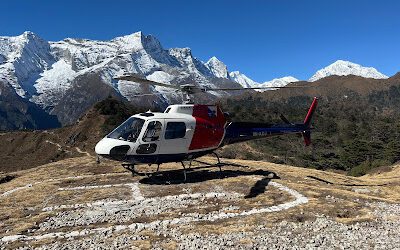
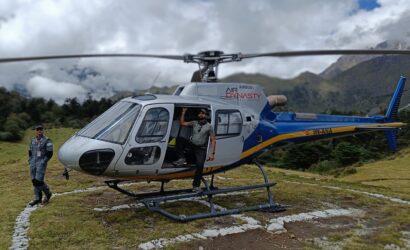
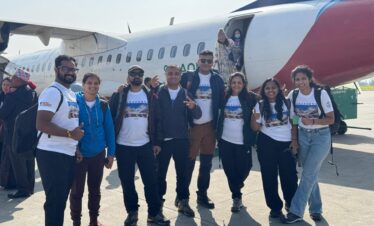
- Scenic Flight to Lukla: Experience a thrilling flight to Lukla, one of the world’s most challenging airports.
- Namche Bazaar: Explore this bustling Sherpa town, a hub for trekkers and locals alike.
- Tengboche Monastery: Visit one of the largest monasteries in the Khumbu region and attend a prayer ceremony.
- Everest Base Camp: Stand at the foot of the world’s highest peak and marvel at the surrounding glaciers.
- Kala Patthar: Ascend to the highest point of the trek for a panoramic view of the Himalayas.
- Iconic Destination: Stand at the base of the world’s highest peak and witness the majesty of Mount Everest.
- Cultural Immersion: Experience the rich Sherpa culture and Buddhist traditions in villages like Namche Bazaar and Tengboche.
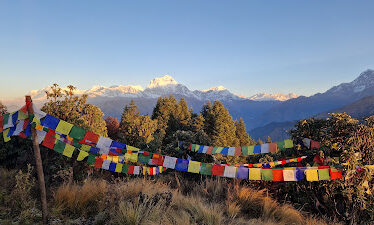
- Scenic Views: Enjoy breathtaking panoramas of the Himalayan range, including peaks like Lhotse, Ama Dablam, and Nuptse.
- Physical Challenge: Test your endurance and strength with a moderately difficult trek that includes acclimatization days for safety.
Quick Facts – EBC Trek
- Trek Duration: 12 Days
- Maximum Altitude: 5,545 meters (Kala Patthar)
- Trek Difficulty: Moderate to Challenging
- Best Season: Pre-monsoon (March to May) and Post-monsoon (September to November)
- Total Distance: Approximately 130 kilometers (round trip)
- Starting & Ending Points: Lukla (2,860 meters)
- Accommodation Type: Tea Houses/Lodges
- Permit Requirements: Sagarmatha National Park Entry Permit and Khumbu Pasang Lhamu Rural Municipality Permit
Brief Description
The Everest Base Camp Trek is a journey of a lifetime, offering trekkers an opportunity to stand at the foot of the world’s tallest mountain. The adventure begins with a scenic flight from Kathmandu to Lukla, introducing you to the mountainous terrains of Nepal. From Lukla, the trail meanders through picturesque Sherpa villages, dense rhododendron and pine forests, and along the roaring Dudh Koshi River.
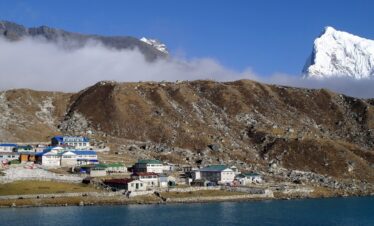
As you ascend, you’ll reach Namche Bazaar, the vibrant heart of the Khumbu region. This bustling town is a hub for trekkers and offers a glimpse into the daily lives of the Sherpa people. The acclimatization here is essential, allowing your body to adjust to the increasing altitude while you explore local markets, visit monasteries, and enjoy panoramic views of Everest and surrounding peaks.
Continuing the trek, the path leads to Tengboche, home to the renowned Tengboche Monastery. Set against the backdrop of majestic mountains like Ama Dablam, Lhotse, and Everest, this spiritual site offers a serene environment for reflection and appreciation of the Himalayan culture.
The journey progresses through Dingboche and Lobuche, where the landscape transforms into alpine meadows and rugged terrains. The air becomes thinner, and the temperatures drop, but the sight of towering peaks and the anticipation of reaching Everest Base Camp fuel your determination.
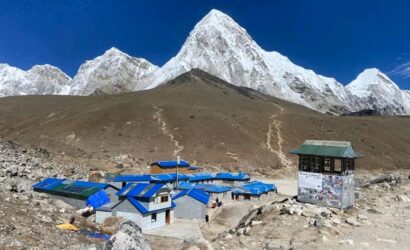
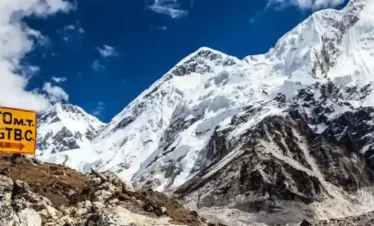
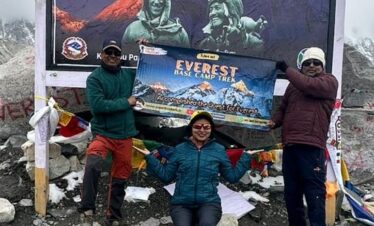
Upon reaching Everest Base Camp (5,364 meters), you’ll stand amidst the glaciers and icefalls that mark the starting point for Everest expeditions. The sense of accomplishment is unparalleled, as you take in the close-up views of the Khumbu Icefall and the surrounding giants.
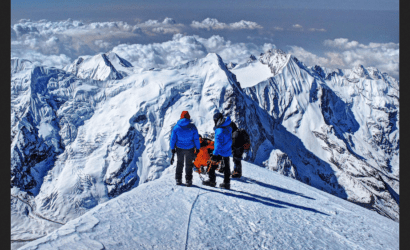
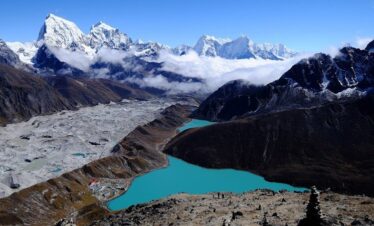
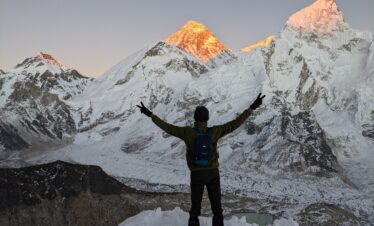
A highlight of the trek is the early morning ascent to Kalapatthar (5,555 meters). This vantage point offers the most accessible close-up view of Mount Everest, along with a 360-degree panorama of other Himalayan peaks. Witnessing the sunrise over Everest from this spot is a moment that remains etched in memory.
Throughout the trek, you’ll experience varying weather conditions. In the lower regions, temperatures are milder, with lush greenery and blooming flora during the spring. As you ascend, the climate becomes colder, especially in the mornings and evenings. Autumn offers clear skies and stable weather, making it ideal for unobstructed mountain views.
Culturally, the trek is enriching. The Sherpa community, known for their mountaineering prowess, welcomes you with warm hospitality. Visiting ancient monasteries, witnessing traditional ceremonies, and observing the Buddhist way of life provide deep insights into their rich heritage.
Physically, the trek is demanding due to the high altitudes and rugged paths. Proper acclimatization, a steady pace, and adequate hydration are crucial to prevent altitude sickness. It’s advisable to have a good fitness level and some prior trekking experience to fully enjoy and complete the journey successfully.
Everest Base Trek 12 Days - Outline Itinerary
- Day 1: Kathmandu (1,400 m) – Lukla (2,850 m) – Phakding (2,650 m)
- Day 2: Phakding (2,650 m) – Namche Bazaar (3,440 m)
- Day 3: Acclimatization Day at Namche Bazaar
- Day 4: Namche Bazaar (3,440 m) – Tengboche (3,855 m)
- Day 5: Tengboche (3,855 m) – Dingboche (4,360 m)
- Day 6: Acclimatization Day at Dingboche
- Day 7: Dingboche (4,360 m) – Lobuche (4,930 m)
- Day 8: Lobuche (4,930 m) – Everest Base Camp (5,364 m) – Gorak Shep (5,185 m)
- Day 9: Gorak Shep (5,185 m) – Kala Patthar (5,555 m) – Pheriche (4,250 m)
- Day 10: Pheriche (4,250 m) – Namche Bazaar (3,440 m)
- Day 11: Namche Bazaar (3,440 m) – Lukla (2,850 m)
- Day 12: Fly back to Kathmandu
Complete Trek Information
Best Time to Visit
-
- Spring (March to May): Clear skies, moderate temperatures, and blooming rhododendrons make spring an ideal time for the trek. The days are longer, offering more daylight for trekking.
- Summer (June to August): The monsoon season brings rain and humidity, making trails slippery and views less clear. However, the landscapes are lush and green.
- Autumn (September to November): This is the peak trekking season, with clear skies and stable weather. The temperatures are cool, and the views are spectacular.
- Winter (December to February): Cold temperatures and snow make winter trekking challenging, but the trails are less crowded, and the views can be stunning.
Challenges & Preparation Tips
-
- Altitude Sickness: Acclimatize properly by taking rest days and staying hydrated. Descend immediately if symptoms persist.
- Physical Fitness: Engage in regular cardiovascular exercises and strength training before the trek.
- Weather Conditions: Be prepared for changing weather conditions with appropriate clothing and gear.
- Cultural Sensitivity: Respect local customs and traditions, and support local businesses when possible.
Highlights
- Scenic Flight to Lukla: Experience a thrilling flight to Lukla, one of the world's most challenging airports.
- Namche Bazaar: Explore this bustling Sherpa town, a hub for trekkers and locals alike.
Includes/Excludes
What’s Included?
- Sagarmatha National Park Entry Permit and Khumbu Rural Municipality Permit
- Accommodation in tea houses and lodges during the trek
- All meals (breakfast, lunch, dinner) during the trek
- Experienced trekking guide and porters
- Round-trip domestic flights between Kathmandu and Lukla
- Transportation to and from the domestic airport in Kathmandu
What’s Excluded?
- Personal expenses such as drinks, snacks, and souvenirs
- Travel insurance and emergency evacuation
- Tips for guides and porters
- Additional services or activities not mentioned in the itinerary
Everest Base Camp Trek - Route Map